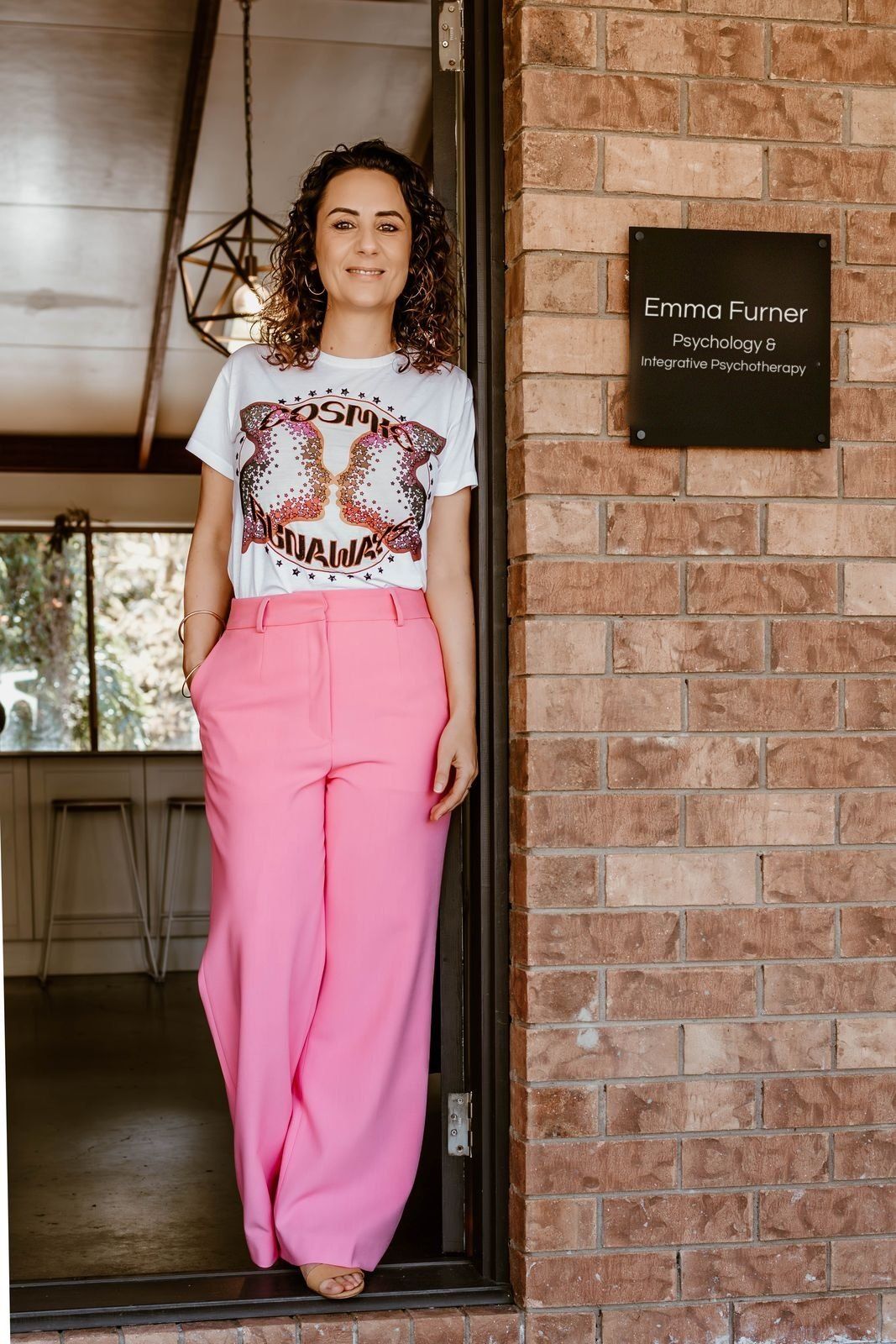
A little about me
I grew up in a tiny country town in New South Wales, where I spent most of my days outside, exploring and looking for adventure.
The exploring never really stopped. It took me to big cities, other countries, and a good many places smaller than the one I left — and then, to my surprise, back to the bush. These days what I find myself exploring most is the inner world — my own included.
There is always more to someone's story
As a psychologist, I've worked with the Royal Flying Doctor Service in remote Queensland, supported drought-affected farmers, and worked with women and children affected by human trafficking in the Philippines. I've also worked with veterans and their families, young people in out-of-home care, Aboriginal and Torres Strait Islander peoples, people from other cultural backgrounds and LGBTIQA+ communities. Alongside that, I've held clinical leadership roles in youth mental health and, outside of psychology, spent several years as a qualitative researcher in academia and the corporate world, and some time teaching English in China.
Living and working in such different environments has certainly shaped who I am, how I see the world, how I work, and what I'm able to offer someone sitting in front of me.
My training followed its own path. Early on, much of it focused on working with diversity and on understanding people within their cultural and social contexts. I've also long been interested in how our early experiences, relationships and emotional lives shape who we are, and over time my work has moved steadily towards relational, psychodynamic, experiential and somatic psychotherapy — each one adding something to how I understand people, and how change happens.
Another thread running through my life has been an interest in spirituality, particularly yoga, meditation and contemplative wisdom traditions. I completed my first yoga teacher training in Rishikesh in 2008 and have kept training since. These practices remain an important part of my personal life, and they continue to inform how I am in the room — steady enough to stay with whatever we meet.
More recently, my work has extended into psychedelic-assisted psychotherapy within a multidisciplinary, psychiatrist-led hospital setting, separate from my private practice. It brings together several areas of longstanding interest, including early life experiences, emotional processing, the relationship between mind and body, and the spiritual dimensions of human experience.
- Royal Flying Doctor Service, remote Queensland
- Anti-trafficking support, the Philippines
- Veterans and their families
- Young people in out-of-home care
- Clinical leadership, youth mental health
- Program development and delivery
- Psychiatrist-led multidisciplinary team, hospital setting
Complicated, messy and meaningful
Of course, my understanding of people hasn't come from professional experience alone. Like anyone, I've navigated my own share of life's challenges — family dynamics, workplace stressors, relationship difficulties, questions of identity, belonging and the roles we occupy. I've supported loved ones through illness and been there through dying and death, worked in organisations that lost sight of the people inside them, and spoken up when staying quiet would have been easier.
Those experiences have taught me things professional training alone cannot. They've also reminded me that being human is a wonderfully complicated, sometimes messy business — and knowing a thing or two about psychology certainly doesn't make you immune to any of it.
I also engage in my own psychotherapy, something I value both personally and professionally. It's where I explore my own experiences, relationships and patterns, stay curious about what I think I know, and keep developing a deeper understanding of myself.
I consider it part of the work rather than an addition to it. After all, our own histories, emotions and ways of relating inevitably accompany us into the therapy room.
When I'm not in the therapy room
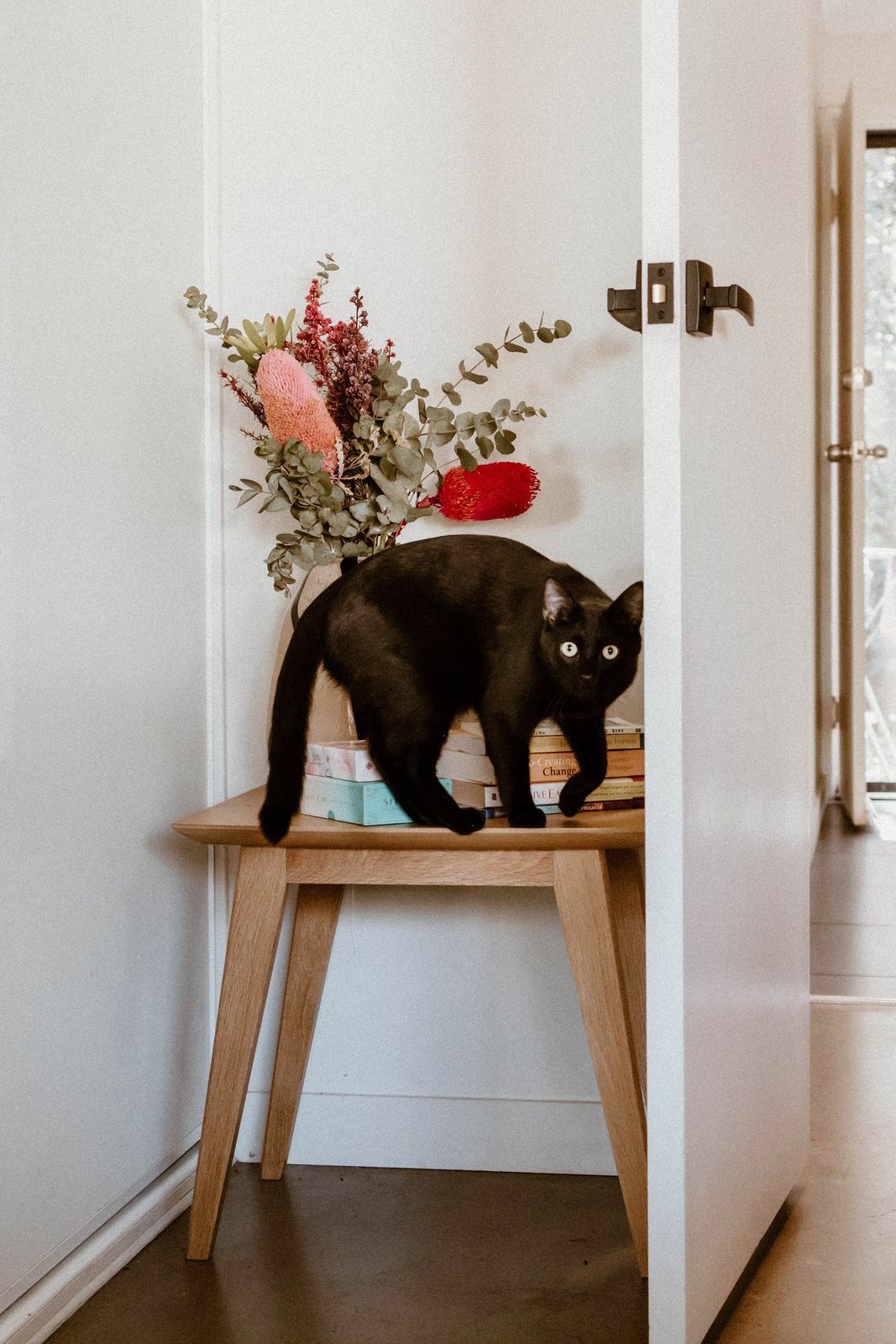
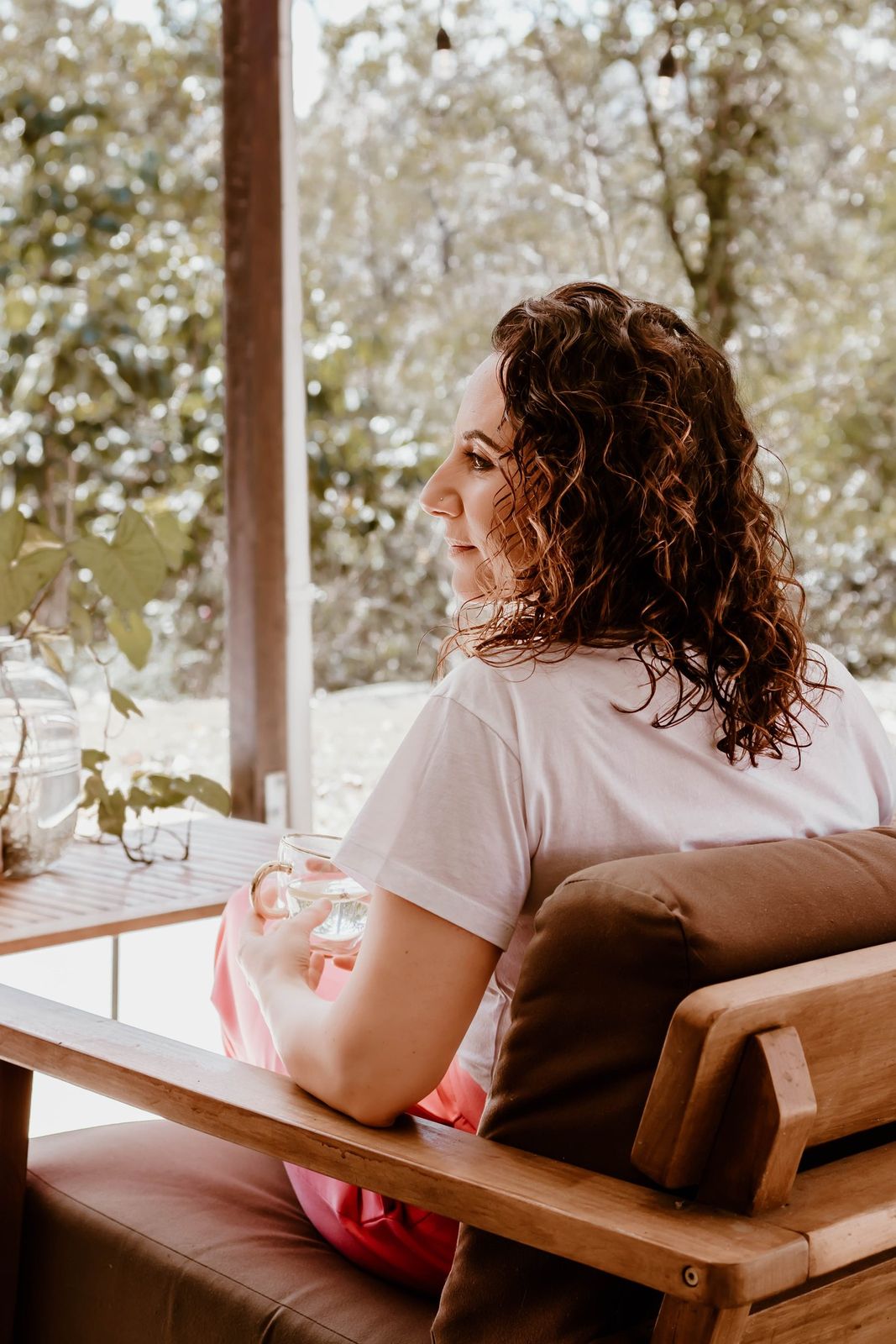
When I'm not thinking about why we are the way we are, you'll likely find me sipping tea amongst my family of trees, animals and people; designing thoughtful and welcoming spaces, inside and out; curating my wardrobe; or dreaming up and hosting the next gathering around a table of people I love. I read a great deal too, though it almost always circles back to what it is to be human.
My time is also spent on the land I live on (which usually involves a great deal of weeding) and our fellow inhabitants (feeding, watering, planting for them, and calling the RSPCA out more times than I'd like). What's left goes to soaking up the sunshine, finding my way to the snow, the surf or a hiking track, and wondering what and where in the world to explore next.
“I'm endlessly intrigued by how complex we are as humans, and by how much usually sits beneath what first brings someone to therapy. The privilege of this work is being alongside someone as they come to know themselves more deeply, and live just that little bit more freely.”